













Forced Labor Tariff: What It Means for Custom Printed Apparel
A Section 301 duty of 10% or 12.5% now applies to imports from 60 economies. Country of origin matters more for branded tees and fleece.
 By Promogator Staff
•
•
3 min read

Most blank T-shirts, hoodies and polos used for branded merchandise are sewn outside the United States, so trade policy reaches every order of custom printed apparel. Since July 2026, a Section 301 tariff tied to forced-labor enforcement has added a new layer of duty that depends on the garment's country of origin. Here is what the forced labor tariff does for apparel, what is still pending, and what to ask your supplier.
What the forced labor tariff does
In a notice published in the Federal Register on July 28, 2026, the U.S. Trade Representative announced actions in Section 301 investigations of 60 economies. The notice imposes tariffs on products of those economies, with listed exemptions, at two main rates:
- 10% for economies that have imposed a forced-labor import prohibition, committed to one in a trade agreement, or have a partial regime. Some economies pay a rate calculated net of the product's normal duty.
- 12.5% for the other economies, including China.
The additional duty applies to goods entered on or after 12:01 a.m. Eastern on July 24, 2026. According to an analysis by apparel maker MTAR, the duty applies in addition to the normal tariff rate rather than replacing it.
Exemptions and the pending textile quotas
The notice exempts certain textile and apparel goods of Costa Rica, the Dominican Republic, El Salvador, Guatemala, Honduras and Nicaragua that enter duty-free under the CAFTA-DR trade agreement. That is one reason Central American sewing is drawing attention from apparel buyers.
The notice also directs USTR to establish tariff-rate quotas for Bangladesh, Cambodia, Indonesia and Malaysia once feasible, for an initial three years, allowing certain textiles and apparel tied to purchases of U.S. cotton and textile inputs to enter free of the Section 301 tariff. MTAR reported that USDA said on October 16, 2026 that its Foreign Agricultural Service will verify the cotton purchases, and that as of early November 2026 no Federal Register notice establishing the quotas had appeared. Until it does, the 10% rate applies to those countries.

What to ask about custom printed apparel
- Country of origin: where is this style sewn? Brands sometimes source one style from more than one country, so ask about the specific color and size run.
- Fiber vs. garment origin: "US cotton" on a listing describes the fiber, not where the shirt was made. Duty follows the garment's country of origin.
- Trade preference: does the style qualify for CAFTA-DR or USMCA treatment?
- Quote validity: how long is the quote held if duties change?
Our IEEPA tariff refunds guide and foreign importer of record guide cover related trade questions, and our Made in USA guide explains how to verify origin claims.
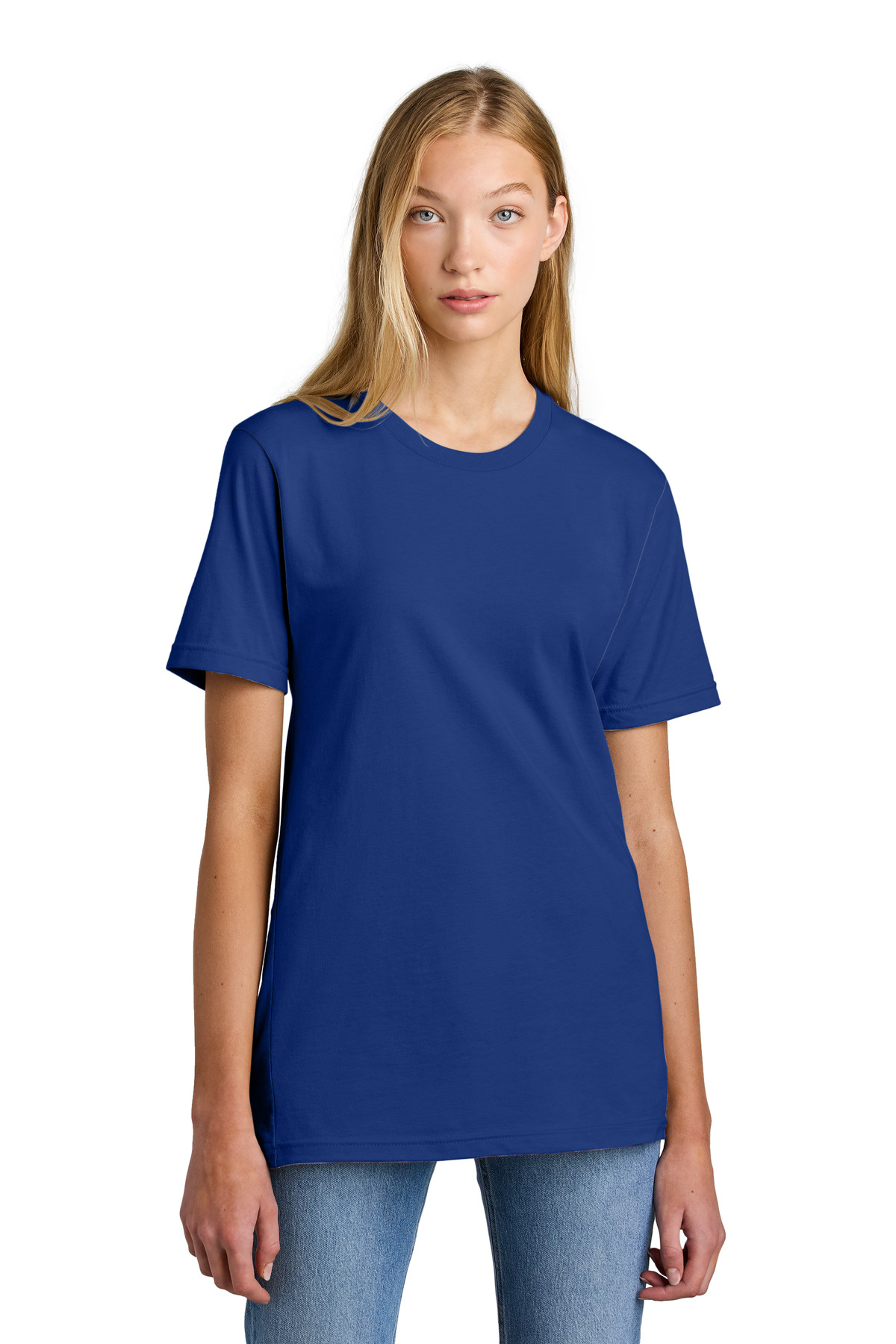
Custom printing choices that stay flexible under the forced labor tariff
Duty changes can affect which blank works for a program, so build some flexibility into the decoration plan. Screen printing and embroidery transfer easily between similar styles from different brands, as long as the logo size and placement are specified in writing. Keep your approved art and thread colors on file, and ask for a new proof if the blank changes, because fabric color and texture can shift how ink and thread look. Promogator's imprint methods page compares screen printing, DTG and embroidery, and our custom T-shirt fabric guide explains how blends affect the print.

Sources
Written with AI assistance and reviewed by Promogator Staff. Our editorial standards
Promogator Staff
Written and reviewed by the Promogator team. Our editorial standards
Products mentioned in this article
Live pricing — updated Nov 20, 2026.

Need a quote?
Tell us what you have in mind and we will come back with pricing, lead times and options — no obligation.



