


















Custom T-Shirt Fabric: Cotton, 50/50 or Tri-Blend?
The blend decides how a shirt feels, washes and takes a print. Here is how to choose for your audience and decoration.
 By Promogator Staff
•
•
3 min read

The T-shirt is the workhorse of branded apparel, and the fabric decides whether yours becomes a favorite or a paint-day shirt. Three blends cover most orders: 100% cotton, 50/50 cotton and polyester, and tri-blend. Choosing the right custom t-shirt fabric comes down to how the shirt will be worn, how it will be decorated and who will wear it.
Why the fabric choice matters
Promotional T-shirts get a lot of wear. In the U.S. findings of ASI's 2026 Ad Impressions Study (T-shirt category spotlight, p.28), 90% of consumers said they would wear a promotional T-shirt at least once a month and 80% said they would keep one for at least a year. The spotlight estimates about 3,500 impressions over a T-shirt's lifetime. A shirt that feels good and holds its shape earns more of those wears.
Custom t-shirt fabric options compared
100% cotton. Soft, breathable and familiar, cotton is a natural fit for everyday tees and for decoration methods designed for cotton. Ring-spun cotton uses finer, smoother yarn than standard cotton for a softer hand. The trade-off is that cotton can shrink and wrinkle more than blends. Note that heather colors are often blends even in a "cotton" style.
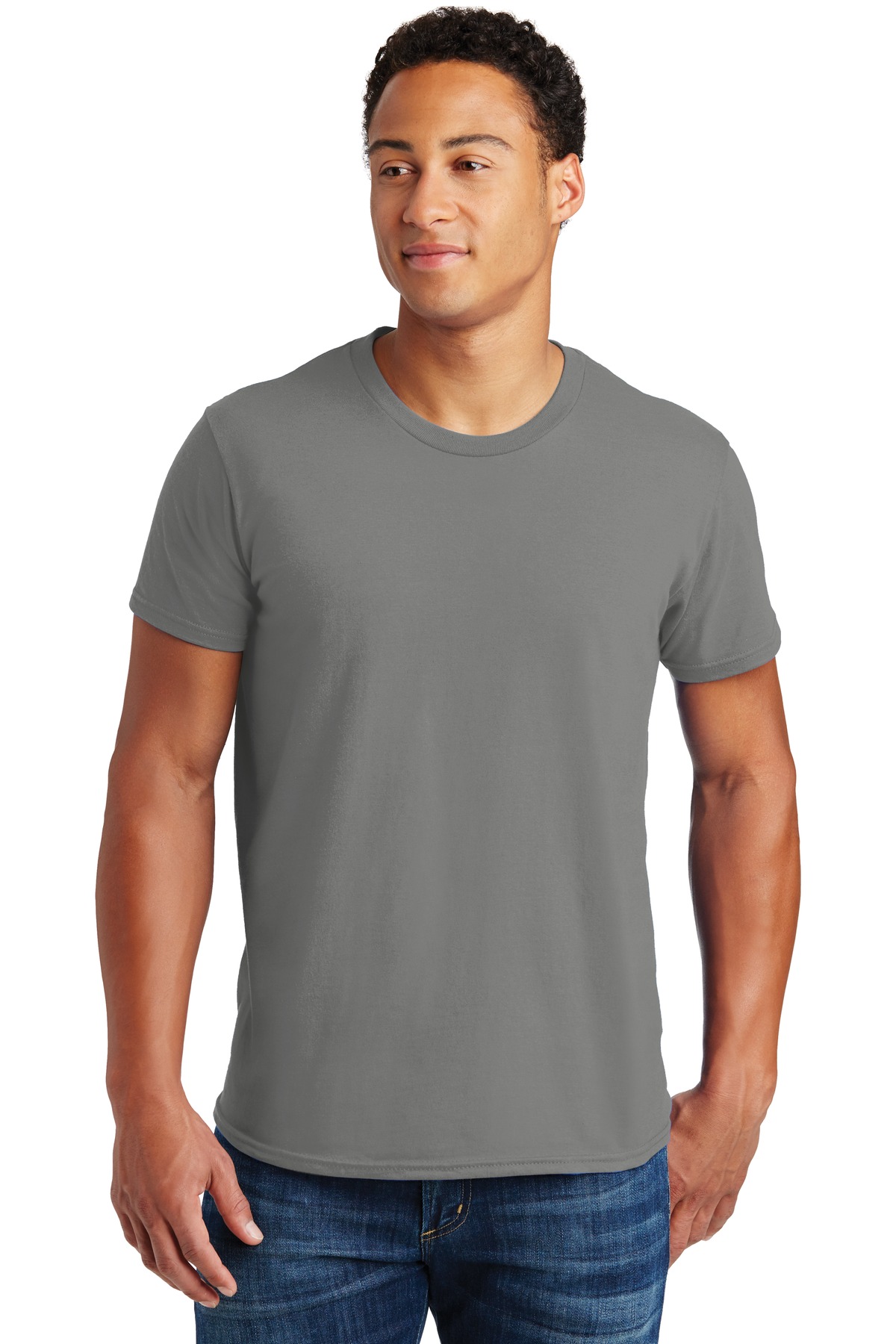
50/50 cotton and polyester. A blend keeps much of cotton's feel while adding polyester's resistance to shrinking and wrinkling. It is a dependable choice for staff shirts, events and large giveaways where shirts will be washed often.
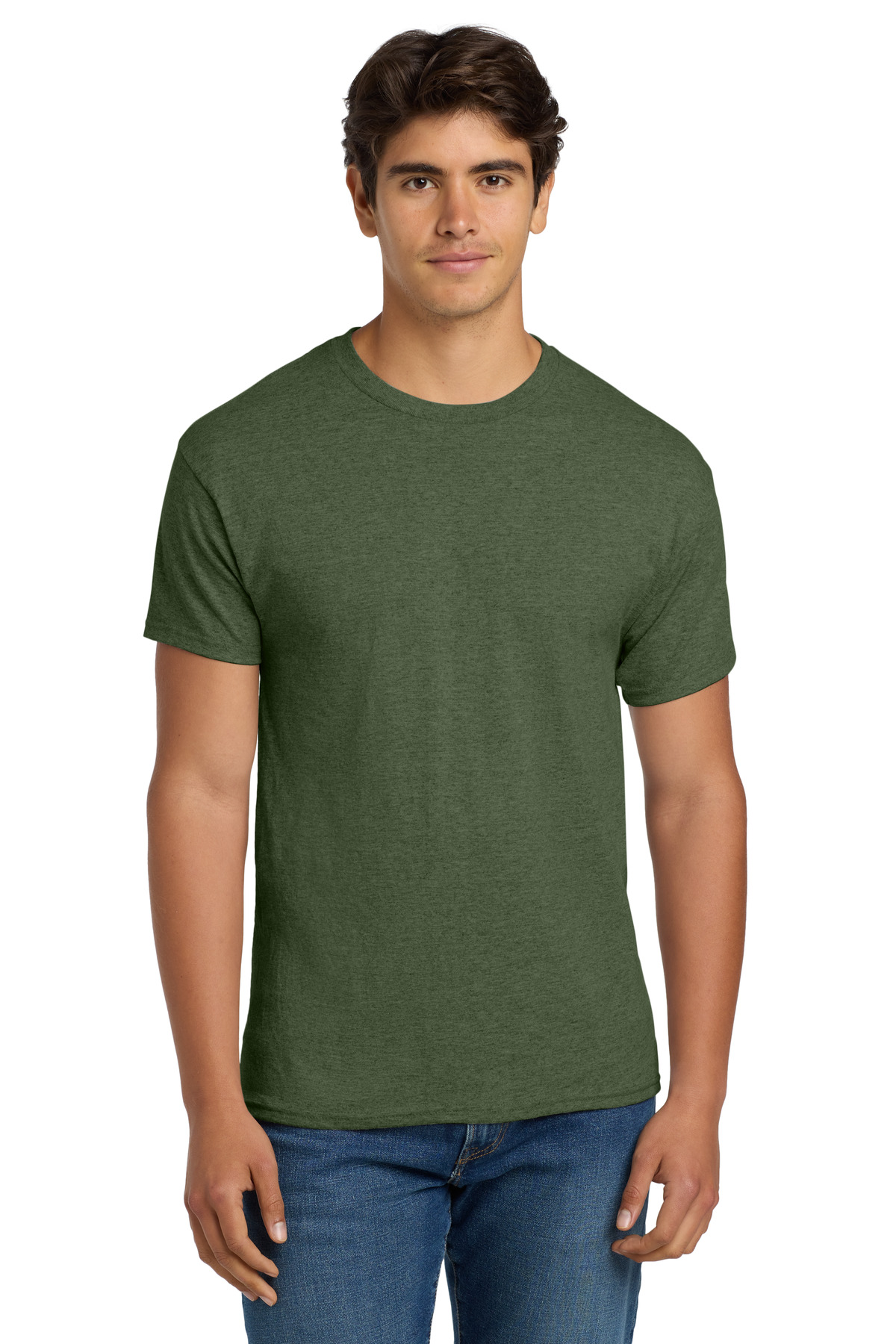
Tri-blend. Polyester, cotton and rayon together give a light, drapey shirt with a soft, slightly vintage look. Tri-blends suit fashion-minded audiences and retail-style merch. They are thinner, so ask how your decoration will look on the heathered fabric.

Match the fabric to the decoration
Decoration methods behave differently on each blend. Printing processes designed for cotton give the strongest result on high-cotton shirts, while some methods work well on polyester-rich fabric. Heathered blends soften the look of a print. Rather than guessing, tell your supplier the decoration method and ask which blend and color combination it recommends, then check the proof. Our guide to promotional product substitutions explains how to lock the style and fabric in writing so a swap does not change the result.
Read the fiber label
The FTC's Textile Act labeling rules (16 CFR 303.16) require covered textile products to list generic fiber names and percentages by weight in order of predominance. That makes the label the quickest way to confirm the blend, especially when one style mixes fabrics across colors.
A simple way to choose
- Everyday giveaway or community event: cotton or 50/50.
- Staff uniforms washed weekly: 50/50 for shape and wrinkle resistance.
- Premium or retail-style merch: tri-blend for softness and drape.
- Mixed audiences: order a sample of each blend before committing to a large run.
The right custom t-shirt fabric makes a shirt people reach for again. If you sell or give apparel in California, our guide to the state's textile EPR law covers what may change for branded apparel.
Sources
Written with AI assistance and reviewed by Promogator Staff. Our editorial standards
Promogator Staff
Written and reviewed by the Promogator team. Our editorial standards
Products mentioned in this article
Live pricing — updated Nov 18, 2026.


Need a quote?
Tell us what you have in mind and we will come back with pricing, lead times and options — no obligation.



