


















California Textile EPR: What SB 707 Means for Branded Apparel
California is writing the rules for its first-in-the-nation textile recycling law. Here is what merch buyers should know and ask.
 By Promogator Staff
•
•
4 min read

California textile EPR is moving from statute to rulebook, and companies that order branded apparel, blankets and towels should follow it. The Responsible Textile Recovery Act of 2024 (SB 707) makes producers of clothing and many home textiles responsible for collecting, repairing, reusing and recycling those products in California. CalRecycle held its latest informal rulemaking workshop on November 12, 2026, and the program's published timeline runs through 2031. Here is what the law covers, where the process stands, and what a merch buyer can ask suppliers now.
What the Responsible Textile Recovery Act covers
According to CalRecycle's textile stewardship page, covered textiles include clothing and accessories, knitted and woven accessories, towels, bedding, blankets, tablecloths, napkins, linens, pillows, curtains, tapestries and fabric window coverings. That list overlaps heavily with promotional products. Logo T-shirts, hoodies, beanies, fleece blankets, rally towels and event table linens all fit into those categories.
As with the packaging rules covered in our article Packaging EPR Laws: What Branded Merch Buyers Should Ask, extended producer responsibility puts the obligation on producers rather than on the person who receives the item. Producers join a producer responsibility organization (PRO), which plans and runs collection and recycling across the state.
Where the California textile EPR timeline stands
CalRecycle's page lists these milestones:
- March 2026: CalRecycle approved Landbell USA as the PRO.
- July 1, 2026: producers of covered products were required to join the PRO.
- March 2027: the PRO submits an initial needs assessment to CalRecycle.
- July 2028: CalRecycle adopts regulations, taking effect no earlier than July 1, 2028.
- July 2030: the PRO must have an approved plan.
- 2031: the PRO must fully implement its plan.
The public notice for the November 12, 2026 workshop listed the topics on the table: the producer responsibility plan, a contingency plan, plan termination, revocation of PRO status and annual reports. The workshop was informal. CalRecycle collected feedback on regulatory concepts there, rather than adopting final rules. The next dated items on the public calendar are the PRO's needs assessment in March 2027 and the court hearing on March 12, 2027.
An implementation brief from American Circular Textiles, a circular textiles policy coalition, adds three points. Formal rulemaking is expected to begin in mid-2027. Producer registration with the PRO stayed open after the July 1 deadline. And on September 17, 2026, a court denied the American Apparel and Footwear Association's request for a preliminary injunction against the PRO selection, with a hearing on the underlying challenge set for March 12, 2027. Ecotextile News reported the same milestones.
Who is the producer of a logo T-shirt?
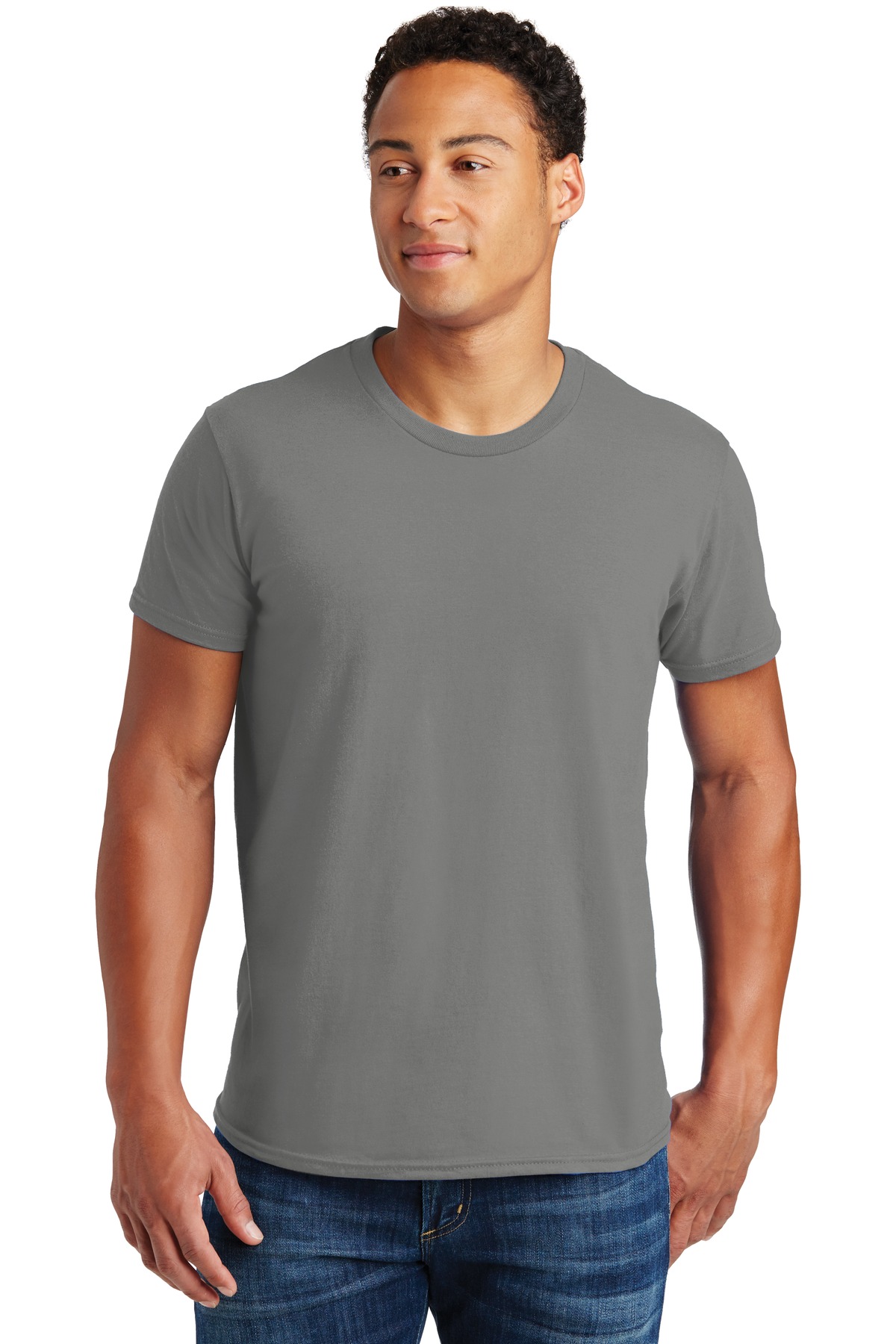
For branded merchandise, the practical question is who counts as the producer. The answer depends on the definitions in the statute and on regulations CalRecycle has not finalized, so do not assume either way. In a typical promotional order, a garment brand, an importer and a decorator all sit between the factory and your team. Ask your supplier in writing which company in that chain registers with the PRO for the products you order, and keep the answer with your order records.
If your company sells branded apparel to the public, for example through an online merch store or a gift shop, the question gets more important. Talk to counsel about whether your own brand could be treated as a producer for those items.
California textile EPR questions for suppliers
- Is the brand or importer of this garment, blanket or towel registered with the California textile PRO?
- What is the exact fiber content? Write it down from the product description so you can answer material questions later.
- Does the item contain recycled fiber, and can the supplier document the claim?
- Does the supplier expect the program to change quotes, terms or lead times once regulations take effect?


Order textiles people keep
EPR exists to keep textiles out of landfills. The simplest thing a merch buyer can do is order pieces people keep and use. Collect a real size list instead of guessing, choose colors your team already wears, and keep the logo clean so the item stays in rotation after the event. Order quantities that match your headcount, so fewer leftovers end up in a storage closet. A soft blanket or a well-fitting tee tends to stay in use for years, which is good for your brand and for the waste stream.
What to watch next
CalRecycle says it will keep posting updates through its Textile Stewardship listserv and webpage. The next dated items on the public calendar are the PRO's needs assessment in March 2027 and the court hearing on March 12, 2027. If you order apparel or home textiles for California recipients, keep a short file with your suppliers' answers to the questions above. When final regulations arrive, you will already know which of your products are covered and who registers them.
Sources
Written with AI assistance and reviewed by Promogator Staff. Our editorial standards
Promogator Staff
Written and reviewed by the Promogator team. Our editorial standards
Products mentioned in this article
Live pricing — updated Nov 17, 2026.


Need a quote?
Tell us what you have in mind and we will come back with pricing, lead times and options — no obligation.



