

















PFAS Promotional Products: New State Rules Buyers Should Track
PPAI's new state tracker and Minnesota's PFAS timeline show where to ask suppliers questions.
 By Promogator Staff
•
•
4 min read

State rules on PFAS promotional products buyers should know about are multiplying, and the trade association for the branded merchandise industry has started tracking them in one place. On November 5, 2026, PPAI launched a state-level tracking page that lists bills and regulatory changes on three issues it says matter most to the industry right now: PFAS regulation, extended producer responsibility (EPR) laws, and ethics rules and gift limits.
For a marketing manager ordering logo jackets or umbrellas, that might sound like a supplier's problem. It is partly yours, too: if you distribute products in a state with PFAS rules, you want the items you hand out to be ones your supplier can stand behind.
What PPAI's new tracker covers
According to PPAI, the page uses an interactive map and table built on a legislative data platform. You can click a state to see tracked bills, or filter by issue, for example to see only PFAS bills. Each row includes the bill number, state, an official summary, a link to the bill text, its status and any scheduled hearing dates. PPAI says the list will be refreshed as bills move.
That is useful for buyers who order for teams in several states. Instead of guessing, you can see whether a state where you ship has an active PFAS or packaging bill, then ask your supplier the right question.
Minnesota shows how PFAS rules reach everyday products
Minnesota is one of the clearest examples. The Minnesota Pollution Control Agency explains that, since January 1, 2025, intentionally added PFAS have been prohibited in 11 categories of new products, including cookware, cleaning products, textile furnishings, fabric treatments and juvenile products.
Initial reports on intentionally added PFAS in products sold in the state were due September 15, 2026, with extended reports due December 14, 2026. From January 1, 2032, products with intentionally added PFAS are prohibited unless the use is found to be currently unavoidable.
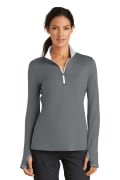
The agency's own example is relevant to merch: if PFAS are applied to a rain jacket to give it water resistance, that PFAS is intentionally added. That does not mean every water-resistant jacket contains PFAS, and it does not mean the 2025 categories cover jackets. It does show why water-repellent finishes are a fair place to ask questions.
PFAS promotional products worth asking about
You do not need to treat every order as a compliance project. Focus on categories where water, stain or grease resistance is a selling point:
- Outerwear and rain jackets with durable water-repellent finishes.
- Umbrellas, where canopy coatings matter.
- Food-contact items and packaging, because Minnesota has banned intentionally added PFAS in food packaging since 2024.
- Textile items sold as stain resistant.


Simpler items often raise fewer questions. A plain cotton tote, for example, is not sold on a water-repellent finish, so it is a lower-friction choice when you are unsure.

How to ask suppliers about PFAS promotional products
- Ask whether PFAS are intentionally added to the fabric, coating or packaging, using that exact phrase, since it matches how Minnesota's law is written.
- Ask for documentation rather than a verbal yes, such as a supplier statement or compliance letter for the specific item.
- Name the states you ship to, so the answer reflects the rules that actually apply.
- Do not add your own claims. Avoid putting "PFAS-free" on packaging or social posts unless your supplier has documented it for that exact product.
Promogator's own policy pages say its products meet safety standards including CPSIA and Prop 65; for PFAS questions on a specific item, ask your account rep to check with the supplier before you order. If a product swap is proposed, our guide to controlling specs when a substitution comes up explains how to keep the spec you approved.
EPR and gift limits are on the list too
Questions about PFAS promotional products often travel with packaging questions. PPAI's tracker also follows extended producer responsibility laws, which push packaging costs back toward producers, and ethics rules on gift limits, which matter if you give branded items to public employees. Both can affect how you pack and who you can gift to, so they are worth a look before a large holiday mailing.
The takeaway
Rules for PFAS promotional products are still taking shape state by state. Use PPAI's tracker to see what is moving, ask suppliers about intentionally added PFAS in finishes and packaging, and keep your own marketing claims modest until a supplier documents them. Browse outerwear or tote bags when you are ready to compare options.
Sources
Written with AI assistance and reviewed by Promogator Staff. Our editorial standards
Promogator Staff
Written and reviewed by the Promogator team. Our editorial standards
Products mentioned in this article
Live pricing — updated Nov 13, 2026.


Need a quote?
Tell us what you have in mind and we will come back with pricing, lead times and options — no obligation.



