

















Dye Sublimation Printing: When Full-Color Merch Makes Sense
Sublimation makes designs part of the fabric, but only on the right materials. Know the limits before you choose a product.
 By Promogator Staff
•
•
4 min read

Dye sublimation printing is the method behind edge-to-edge towels, all-over performance shirts and many full-color mugs. Instead of sitting on top of the material, the design becomes part of it, so it does not crack or peel. The catch is that sublimation only works on certain materials and colors. If you know those limits before you choose a product, sublimation can deliver vivid, durable full-color merch.
How dye sublimation printing works
Promogator's imprint methods guide describes it simply: heat turns the ink into a gas that bonds with polyester fibers or polymer-coated surfaces. The dye becomes part of the material, so it will not peel, crack or fade like a surface print can. The result is full-color printing that can run edge to edge. The guide also notes that sublimation is the only method that can print all-over, seam to seam, on apparel, and that it is a standard method for drinkware such as mugs and tumblers.
The limit is in the same guide: sublimation only works on white or light-colored polyester and on coated hard goods.
Polyester content decides the result
SanMar's decorator education site explains why fiber content matters. The higher the polyester content, the better the fabric responds. In a poly/cotton blend or tri-blend with less than 65% polyester, the dye will not bond to the cotton and will eventually wash out, leaving dull colors and blurry images.
SanMar adds several cautions buyers should know:
- Recycled polyester is more prone to dye migration and color sheen changes, and tolerates less heat, so it needs testing.
- Coated polyester, such as water-resistant fabrics, can block the dye from entering the fibers.
- Textured surfaces can disrupt the transfer; smooth, flat faces print sharper.
- Color: light fabrics give the strongest color, and the ink must be darker than the fabric to show.
Products built for sublimation
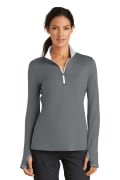
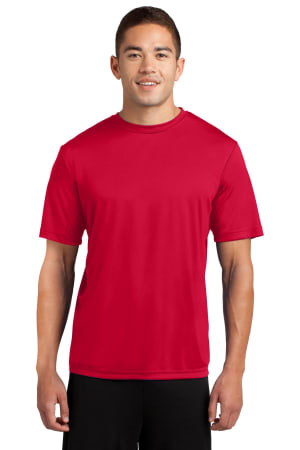
Some products are made specifically for it. Rally towels, for example, often pair a polyester face for printing with a cotton back for absorbency. Performance tees in 100% polyester are common candidates too, but even there, the supplier may advise testing because sublimation uses very high heat.


When dye sublimation printing is the right call
- Photos, gradients and many colors. Sublimation prints full color without separate screens for each color.
- Edge-to-edge designs on towels, blankets, mouse pads and similar flat items.
- Athletic and outdoor wear in light polyester, where a print that breathes with the fabric matters.
- Personalized runs where each item carries a different name or photo.
When to choose another method
If you want a dark garment, a cotton tee or an exact spot color, another method usually fits better. Screen printing handles cotton and dark colors with opaque inks, embroidery suits polos and outerwear, and DTF transfers work across many fabrics. Ask your rep to recommend a method for the product you have chosen rather than forcing sublimation onto the wrong blank.
Timing and proofs
Promogator's rush services page lists sublimation at 7 to 10 business days on standard production, 3 to 5 on rush, and 48 hours on super rush for eligible products. Production begins after proof approval. Send high-resolution artwork, and for all-over designs ask how the design will fall across seams and edges.
Dye sublimation printing checklist
- Choose a white or light product with high polyester content, or a coated hard good.
- Avoid low-polyester blends and coated fabrics unless the supplier confirms they work.
- Send full-color artwork at high resolution.
- Ask for a sample test on recycled polyester or new fabrics.
- Approve the proof, including edge and seam placement.
Sources
Written with AI assistance and reviewed by Promogator Staff. Our editorial standards
Promogator Staff
Written and reviewed by the Promogator team. Our editorial standards
Products mentioned in this article
Live pricing — updated Nov 18, 2026.

Need a quote?
Tell us what you have in mind and we will come back with pricing, lead times and options — no obligation.



