















DTF vs Screen Printing: Which Fits Your Merch Order
DTF has matured; here is when it beats screen printing and when it does not.
 By Promogator Staff
•
•
4 min read

The DTF vs screen printing choice comes up on almost every apparel quote now, because more decorators offer both. Direct-to-film (DTF) prints a custom design onto a film, coats it with adhesive powder, cures it and heat-presses it onto the garment. Screen printing pushes ink through a mesh stencil, one color at a time. Each method has a sweet spot, and picking the right one can save money and protect your deadline.
Why DTF vs screen printing is a live question in 2026
The October 2026 issue of Images magazine published its sixth annual State of the DTF market report. Manufacturers and suppliers told the magazine that DTF has reached maturity: early "explosive" growth is calming and the focus has shifted to quality, efficiency and consistency. One DTF specialist said screen printers migrating to DTF made up about 30% of its machine sales. Others stressed that results depend on the complete system of printer, ink, film, powder and curing, and that low-cost consumables had caused washfastness problems for some users.
For buyers, the takeaway is simple. DTF is no longer experimental, but quality still varies by shop, so ask for a sample or a past job when the design matters.
How custom screen printing works
Promogator's imprint methods page describes screen printing as ideal for large runs and simple, bold designs. Each color needs its own screen, so it suits one to four spot colors, up to six. Setup fees apply per color, but the per-unit cost drops at higher quantities. Standard production for screen printing is typically 7–10 business days after proof approval and payment, with rush options on select items.
- Suits: one design in one to three colors on many identical shirts.
- Strengths: vivid spot colors, PMS matching and a long track record on cotton tees and sweatshirts.
- Watch for: setup per color makes small runs and many-color art expensive.
Where custom DTF printing tends to fit
DTF suits short runs, full-color artwork with gradients or photos, and jobs where the design changes from piece to piece, such as personalized names or locations. Images' report notes it is well suited to personalization, one-off orders and short production runs, and that DTF flexes into specialty effects. Because there is no screen per color, color count matters far less.
- Suits: small quantities, multicolor logos, mixed garment types in one order.
- Strengths: no per-color screens and full-color art.
- Watch for: a film layer you can feel on large solid areas, and quality that depends on the shop's materials.
DTF vs screen printing at a glance
| Question | Screen printing | DTF |
|---|---|---|
| Quantity | Larger identical runs | Short runs and variable designs |
| Colors in artwork | 1–6 spot colors; setup per color | Full color without per-color screens |
| Feel on large areas | Ink in the fabric surface | A thin transfer layer |
| Color matching | Strong PMS spot-color matching | Good full color; ask about spot matching |
Products where the choice matters
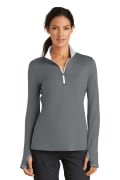
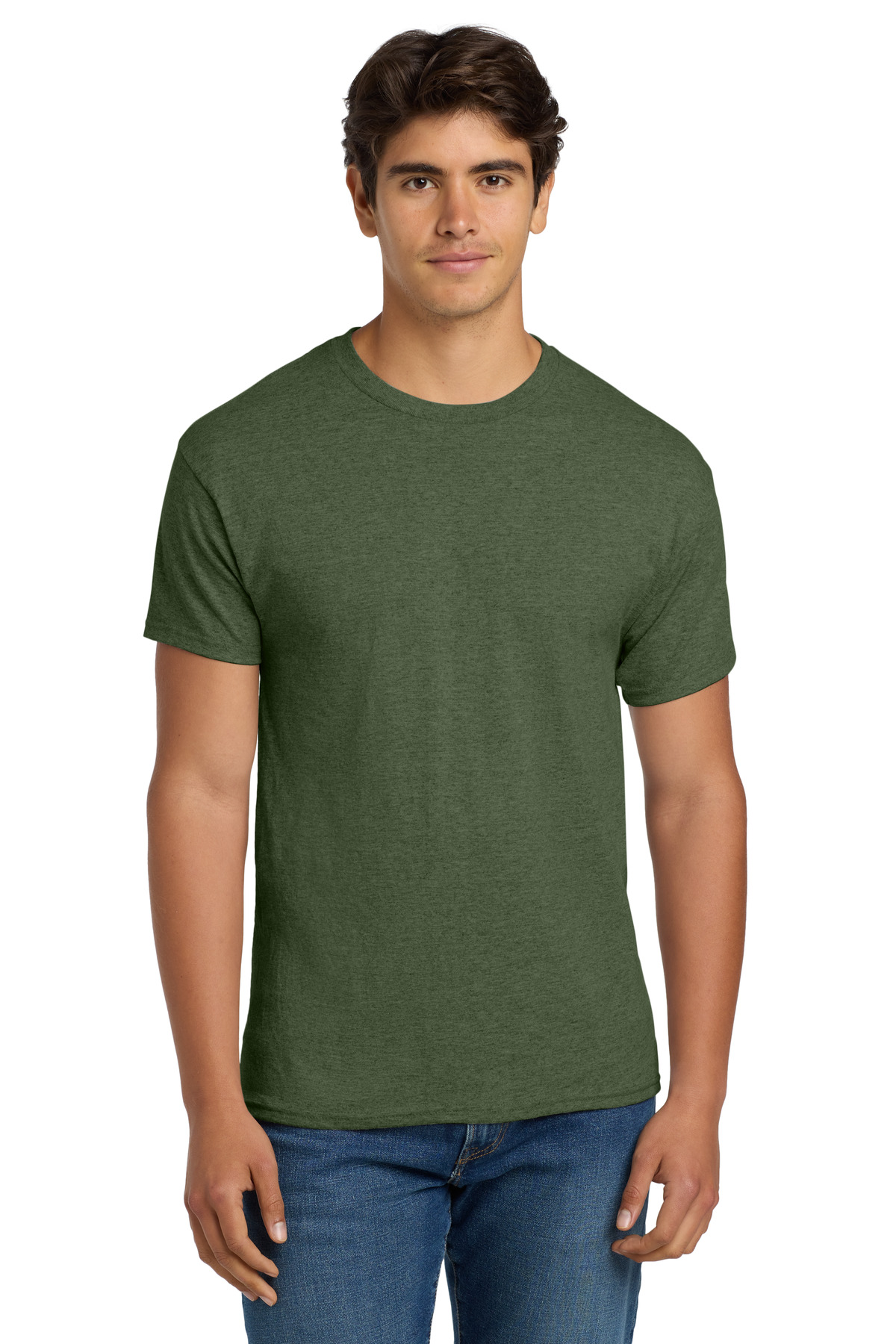
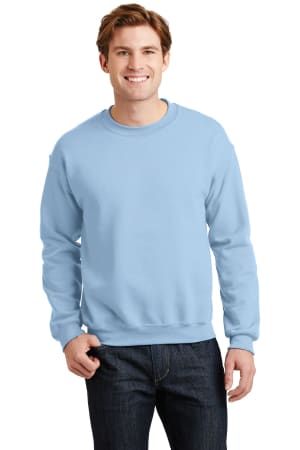
The garment changes the answer. A cotton/poly tee or a fleece crewneck takes both methods well. Totes and heavier cotton canvas are classic screen-print items. Each product page lists the methods it offers, so check there first, then ask your rep if you want DTF on an item that does not list it.


How to decide DTF vs screen printing on your next order
- Count your colors. One to three solid colors on a large run points to screen printing.
- Count your versions. Many names, sizes or designs in a small run points to DTF.
- Check the deadline. Production starts after proof approval and payment; send vector art and PMS values up front.
- Ask for a sample when the design is large or the event is high-profile.
Before you send art, review the artwork requirements, and remember that nothing prints until you approve the e-proof.
The bottom line
In DTF vs screen printing, neither method wins every job. Screen printing remains the workhorse for big, simple runs; DTF has matured into a reliable choice for short, colorful or personalized orders. Match the method to your quantity, colors and deadline, and ask to see real work when quality matters.
Sources
Written with AI assistance and reviewed by Promogator Staff. Our editorial standards
Promogator Staff
Written and reviewed by the Promogator team. Our editorial standards
Products mentioned in this article
Live pricing — updated Nov 18, 2026.


Need a quote?
Tell us what you have in mind and we will come back with pricing, lead times and options — no obligation.



