


















What products look best embroidered with a logo?
 By Promogator Staff
Reviewed Nov 4, 2026 2 min read
Structured fabrics that hold stitches look best embroidered: polos, caps, jackets, fleece, quarter-zips, button-down shirts, and sturdy bags. Choose a simple logo with bold shapes and few colors, and place it on the chest, a cap front, or a bag panel. Thin, stretchy, or very smooth items like light tees and hard goods usually suit other methods better.
- Polos, caps, jackets, fleece and sturdy bags are the classic embroidery picks.
- Thick, stable fabric holds stitches better than thin or stretchy fabric.
- Simple logos with bold shapes and few colors stitch cleanly.
- Fine text and gradients are usually better printed than stitched.
- Hard goods like mugs and pens use other imprint methods.
Embroidery stitches thread into fabric, so the product has to support the stitches. The best picks are items with some weight and structure. Embroidery also reads as polished and lasting, which is why it is common for uniforms, client gifts and team apparel.
The best products to embroider
- Polos: The standard choice. A left-chest logo looks sharp and lasts through many washes. See polos.
- Caps: Structured caps are made for embroidery. The front panel gives a firm base for the logo. See caps.
- Jackets, soft shells and vests: Thicker fabric holds detail well and the stitching gives a premium look. See outerwear.
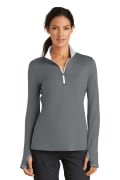
- Fleece, quarter-zips and hoodies: Soft but dense enough to carry stitches. Heavy fleece may need a backing so the thread does not sink in.
- Button-down and woven shirts: Good for office and hospitality teams. Keep the logo small.
- Bags: Canvas, duffels and backpacks with a firm panel work well. See bags and accessories.
- Beanies, towels, robes, aprons and blankets: Thick or woven textiles take stitching nicely.
What to be careful with
Lightweight tees and thin performance fabrics can pucker under dense stitching. Stretchy knits can distort the logo. Many shops can add stabilizer behind the design, but a simple print is often the better fit for very thin shirts.
Hard products such as mugs, pens, and drinkware cannot be stitched. They use methods like laser engraving, pad printing or UV printing. Compare them on the imprint methods page.
What makes a logo stitch well
Thread is thicker than ink, so the design matters as much as the product.
- Keep it simple. Bold shapes and clear lines stitch cleanly.
- Limit colors. Embroidery can use up to 15 thread colors, but fewer usually looks cleaner and costs less to set up.
- Avoid tiny text. Text under about 6 pt and very fine lines may not reproduce well.
- Skip gradients and photos. Thread cannot blend smoothly like ink, so these are better printed.
- Size it right. A left-chest logo is typically around 3 to 4 inches wide. Caps usually take a smaller design.
How to choose
Start with who will wear or use it and how often. For daily uniforms, pick a polo or quarter-zip. For gifts, a jacket or fleece feels premium. For events with big crowds, a cap is a visible, long-lasting item. Then check each product page for the imprint methods and placement areas it offers. Embroidery also carries a one-time digitizing fee for the stitch file, which is kept for reorders, and each product page shows its own setup details.
Products that work for this
Real examples from our catalog, with live pricing. Tap one to see it with your logo.


Shop Polos
See all →


People also ask
What items can be embroidered?
Most woven or knit textiles can be embroidered: shirts, polos, caps, beanies, jackets, fleece, bags, towels, robes, aprons and blankets. Hard items like mugs, pens and metal drinkware cannot be stitched.
What are the best things to embroider with a logo?
Polos, structured caps, jackets and quarter-zips are the top choices. They have enough fabric weight to hold stitches, and a chest or cap-front logo looks professional on them.
What looks great stitched?
Simple, bold logos on firm fabric look best: a one- or two-color mark on a polo, cap or jacket. Detailed art, gradients and tiny text look better printed.
Can you embroider a t-shirt?
Yes, but thin tees may pucker, especially with dense logos. Heavier cotton tees and small, light designs work better. Printing is often the better choice for lightweight shirts.

