

















What should go in an employee onboarding kit?
 By Promogator Staff
Reviewed Nov 4, 2026 2 min read
A good onboarding kit covers four needs: something to wear (a branded shirt or hoodie), something to use every day (a drinkware piece, notebook and pen), something to plug in (a power bank or charging pad), and a personal welcome note. Pick three to five quality items that fit the role and workplace, and avoid filler.
- Choose three to five useful items, not a pile of small giveaways.
- Mix wearable, daily-use and tech items, then add a personal note.
- Collect sizes in advance so apparel fits on day one.
- Order extras and plan ahead so late hires are not left out.
- Match the kit to office, remote or field roles.
An onboarding kit has one job: make a new hire feel expected and part of the team. The items matter less than whether they are useful, well made and ready on or before day one.
The core checklist
Use this as a starting point and trim to fit your budget and culture.
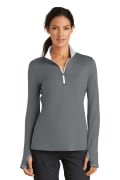
- Apparel: A polo, quarter-zip, hoodie or jacket with your logo. It is the item people wear most and the one that signals belonging. Collect sizes before you ship.
- Drinkware: An insulated tumbler or water bottle. It gets daily use at a desk, at home or in the field.
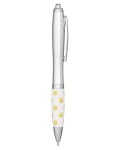
- Notebook and pen: A journal and a good pen suit meetings and first-week notes. A stylus pen helps if people work on tablets.
- Tech: A power bank, wireless charger or cable organizer. Choose a practical item over a novelty one.
- Bag: A tote, backpack or drawstring bag holds the rest of the kit and is handy for commuting or travel.
- Welcome note: A short handwritten or printed message from the manager or a leader. Many people remember this more than any product.
- Practical paperwork: A one-page guide with key contacts, first-week schedule, and login or benefits steps.
Adjust for the role
- Office staff: Desk items, a notebook and drinkware work well.
- Remote staff: Ship the kit to their home so they get the same welcome. Add a headphone or webcam-friendly item only if you actually support it.
- Field or warehouse teams: Consider workwear, safety items, a cooler bag or a sturdy bottle. Check your safety rules before adding branded gear.
- Sales or client-facing roles: Pick a polished jacket or bag they will be proud to wear in front of customers.
Mistakes to avoid
- Too many low-value items. Three good pieces beat ten forgettable ones.
- Guessing sizes. Ask in the offer or pre-boarding email, and note whether people prefer unisex or fitted cuts.
- Loud, oversized logos. A smaller or tone-on-tone logo gets worn more often.
- Waiting until the start date. Production and shipping take time, so order before hires arrive.
- Ignoring reorders. Keep your artwork and approved proof on file so restocking is quick, and order a few extra sets for surprise hires.
Keep it consistent
Choose one color palette and one logo placement across the kit so it looks like a set. If your headcount grows quickly, pick items you can reorder in the same color. Preview your logo on a few products before you commit, and look at a free digital proof before anything is made.
Products that work for this
Real examples from our catalog, with live pricing. Tap one to see it with your logo.


Shop Drinkware
See all →


People also ask
What to put in a new employee welcome box?
Include a wearable piece, a drinkware item, a notebook and pen, a small tech item, and a personal welcome note. Add a one-page first-week guide. Keep it to a few items people will actually use.
What is on an onboarding swag checklist?
Apparel, drinkware, notebook and pen, power bank or charger, a bag, a welcome note and a first-week guide. Also confirm sizes, shipping address, logo files and your delivery date before ordering.
Should onboarding kits be the same for remote employees?
Yes, aim for the same items so remote hires feel equal. Ship to their home and arrive before day one if you can. Add a note, since they miss the in-person welcome.
How early should I order onboarding kits?
Order well before the first start date. Production time depends on the product and imprint method, and shipping is extra. Product pages list production days, and rush options exist when your date is close.

