

















How do I choose promotional products for a multi-step campaign?
 By Promogator Staff
Reviewed Nov 17, 2026 2 min read
Start with one campaign goal and one action per step. Pick a low-cost, easy-to-use item to open, a more useful item to build interest, and a premium or high-value item to reward the final action. Repeat one logo, color palette and message across every piece so each item reminds people of the last.
- Set one goal, then give each step one clear action.
- Match item value to how far the person has come.
- Repeat the same logo, colors and message on every piece.
- Work backward from your end date to set ship dates.
- Track a response to each step, such as a scan or sign-up.
Yes, you can use several items in sequence. Marketers often call this a drip campaign. The idea is simple: each item earns the next interaction, and the whole set tells one story.
Build the sequence around actions
Decide what you want people to do at the end. Examples: book a demo, attend an event, register for a class, or become a repeat customer. Then work backward and give each step one small job.
A typical three-step flow looks like this:
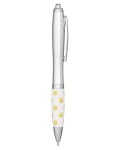
- Step 1, get attention. A small, useful item such as a pen, sticky notes or a keychain. It says hello and points to a simple action, like a QR code or short web address.
- Step 2, build interest. A more useful item people keep in view, such as a notebook, a tote bag or a tumbler. Add a message that connects to step 1.
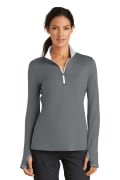
- Step 3, reward the action. A higher-value item for people who respond, such as a power bank, a quality bottle or branded apparel. It thanks them and keeps your name close.
You can also tie the items together physically. A notebook in week one and a pen in week two make a set. Or send half of a pair first and the other half after a response.
Choose items that fit together
- Rising value. People who engage more should get something better. Giving the best item first leaves nowhere to go.
- One look. Keep the same logo placement, colors and tagline. Consistent branding is what makes separate items feel like one campaign.
- A shared theme. Pick a theme such as "work smarter" or "stay on the go," then choose items that fit it.
- Items people actually use. Daily-use products like drinkware, pens and bags keep your message in sight longer than novelties.
- A decoration method that suits each item. Pens and metal items often use pad print or laser engraving, while apparel and bags use embroidery, screen print or DTF. Each product page lists its methods.
Plan timing and tracking
Space steps far enough apart that each item has time to land, often a week or two. Staging over several weeks also spreads out your budget.
Production and shipping take time, so set your in-hands date for each step and plan backward from it. Order all steps at once when you can. Lock in the designs early so the look stays consistent.
Give every step a way to respond: a QR code, a unique web address or a reply card. Then you can see which step works.
Mistakes to avoid
- Giving every item the same value, so nothing feels earned.
- Changing the logo, colors or message from step to step.
- Sending items with no call to action.
- Mailing to a list that is not ready for step two. Segment by who responded.
- Waiting until the last minute to order the later steps.
Products that work for this
Real examples from our catalog, with live pricing. Tap one to see it with your logo.


Shop Promotional Accessories
See all →People also ask
Can I use several promo items in a sequence for one campaign?
Yes. Give each item one job, such as getting attention, building interest and rewarding action. Keep the branding the same so the items read as one story, and make each later item a little more valuable.
How do I build a drip campaign with branded merch?
Set a goal, split your list by response, and send items on a schedule. Everyone gets a low-cost opener. Only people who respond, such as by scanning a code or signing up, get the next, better item.
How do I stage giveaways over several weeks?
Plan the calendar backward from your end date, usually one drop every one to two weeks. Order every item early, confirm your in-hands dates, and tease the next item in each drop so people look forward to it.
How many steps should a promo campaign have?
Three is a good start for most teams: open, build, reward. Add steps only if each one has a clear purpose and a way to measure a response.
Ask PromoAI these questions
Tap one and PromoAI searches our live catalog and answers in seconds.

